
Category: Government
-
Brexit Timeline: From Referendum to Transition End
Read →: Brexit Timeline: From Referendum to Transition EndA reader trying to place the Brexit timeline in order can anchor it on the referendum on 23 June 2016, Article 50 on 29 March 2017, departure on 31 January 2020 and the transition end on 31 December 2020. Dates are easy to mix up because the planned leaving date moved several times, and leaving…
-
How an EU Law Is Made
Read →: How an EU Law Is MadeA new EU rule appears in the news and the question follows: how are EU laws made? The Commission proposes, then the Council and Parliament typically adopt the text together, with a Conciliation Committee if they cannot agree. Most confusion comes from mixing up who proposes, who decides and what a finished act obliges. This…
-
Retained EU Law After Brexit
Read →: Retained EU Law After BrexitA contract still refers to retained EU law, yet the term has changed. What is retained EU law? It is EU-derived law that the European Union (Withdrawal) Act 2018 saved into UK law, now officially labelled assimilated law. The label is only part of the story. This guide separates the original conversion of EU rules…
-
How European Parliament Elections Work
Read →: How European Parliament Elections WorkHow do European Parliament elections work? EU citizens elect their Members of the European Parliament every five years by proportional representation, but each country runs its own vote under national law, so voting age, registration and ballot format depend on where you vote. The vote is one of the political rights covered in the guide…
-
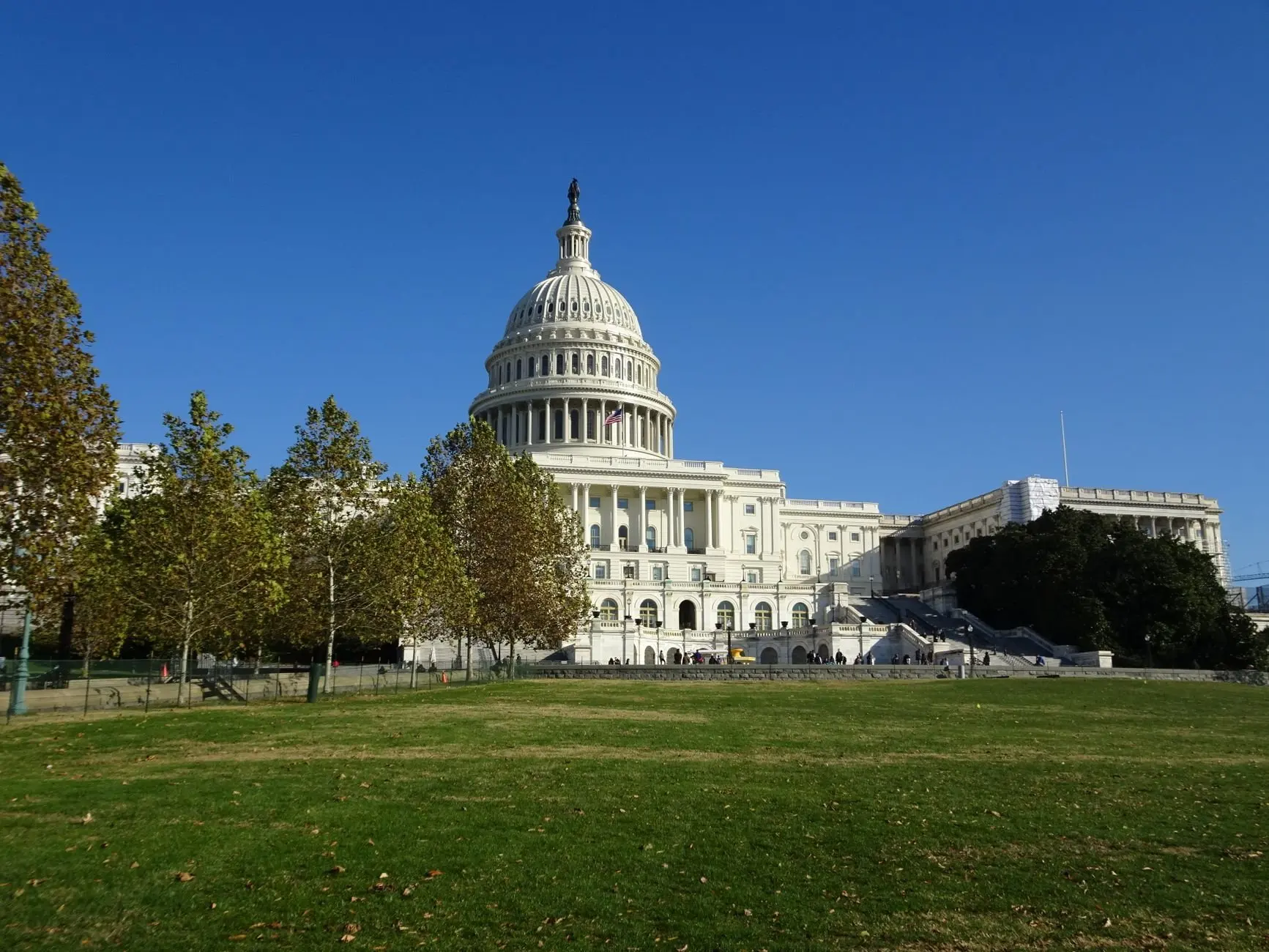
How Governments Are Structured: Parliamentary vs Presidential Systems
Read →: How Governments Are Structured: Parliamentary vs Presidential SystemsThe parliamentary vs presidential system distinction turns on who picks and can remove the executive. In a parliamentary system the legislature does both. In a presidential system voters elect the president separately, and removal is possible only for serious crimes. The United Kingdom is the worked example here, because its prime minister, devolved structure and…
-
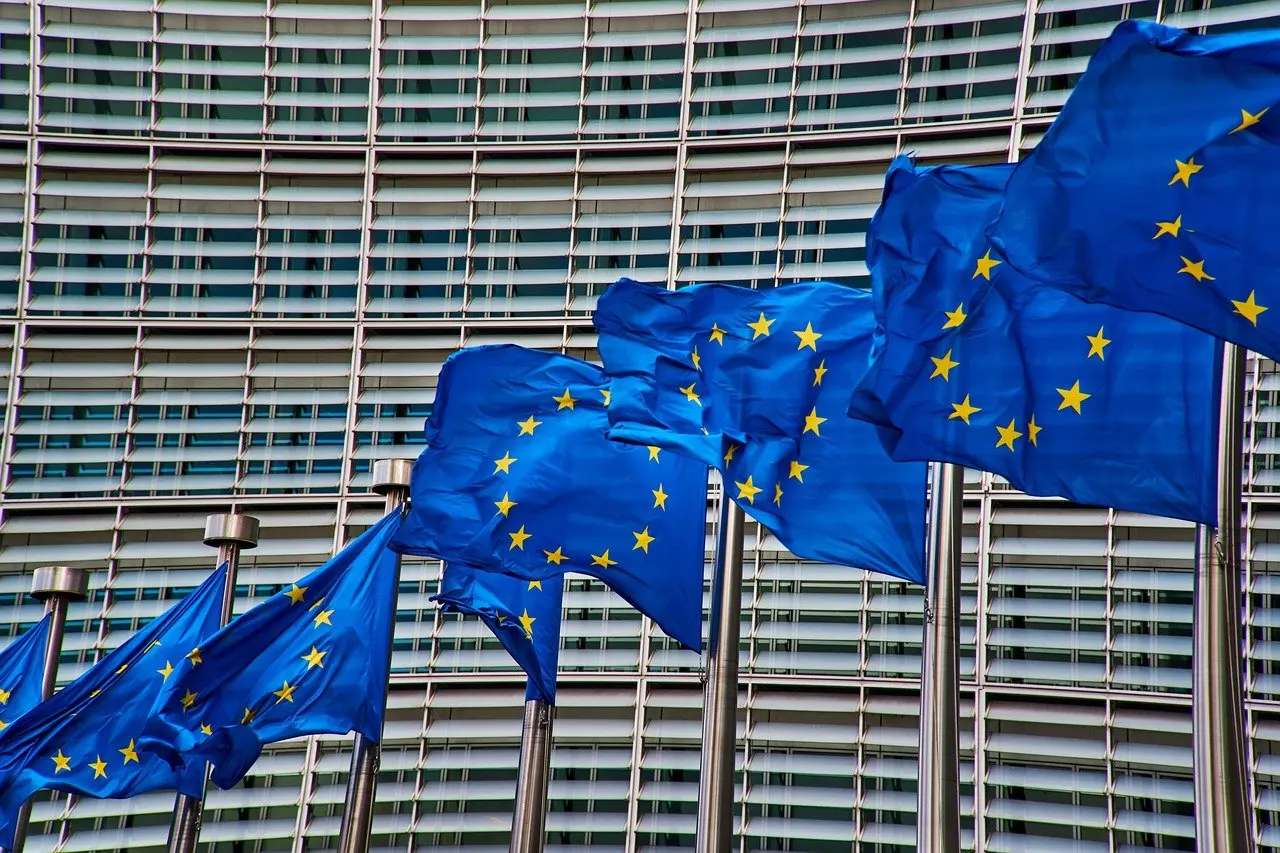
Main EU Institutions and What They Do
Read →: Main EU Institutions and What They DoWhat are the EU institutions? Seven principal bodies: the European Parliament, European Council, Council of the European Union, European Commission, Court of Justice, European Central Bank and Court of Auditors. Their jobs fall into legislative, executive, judicial and financial groups. Readers following how these bodies touch residency and status questions can continue with eu citizens…
-
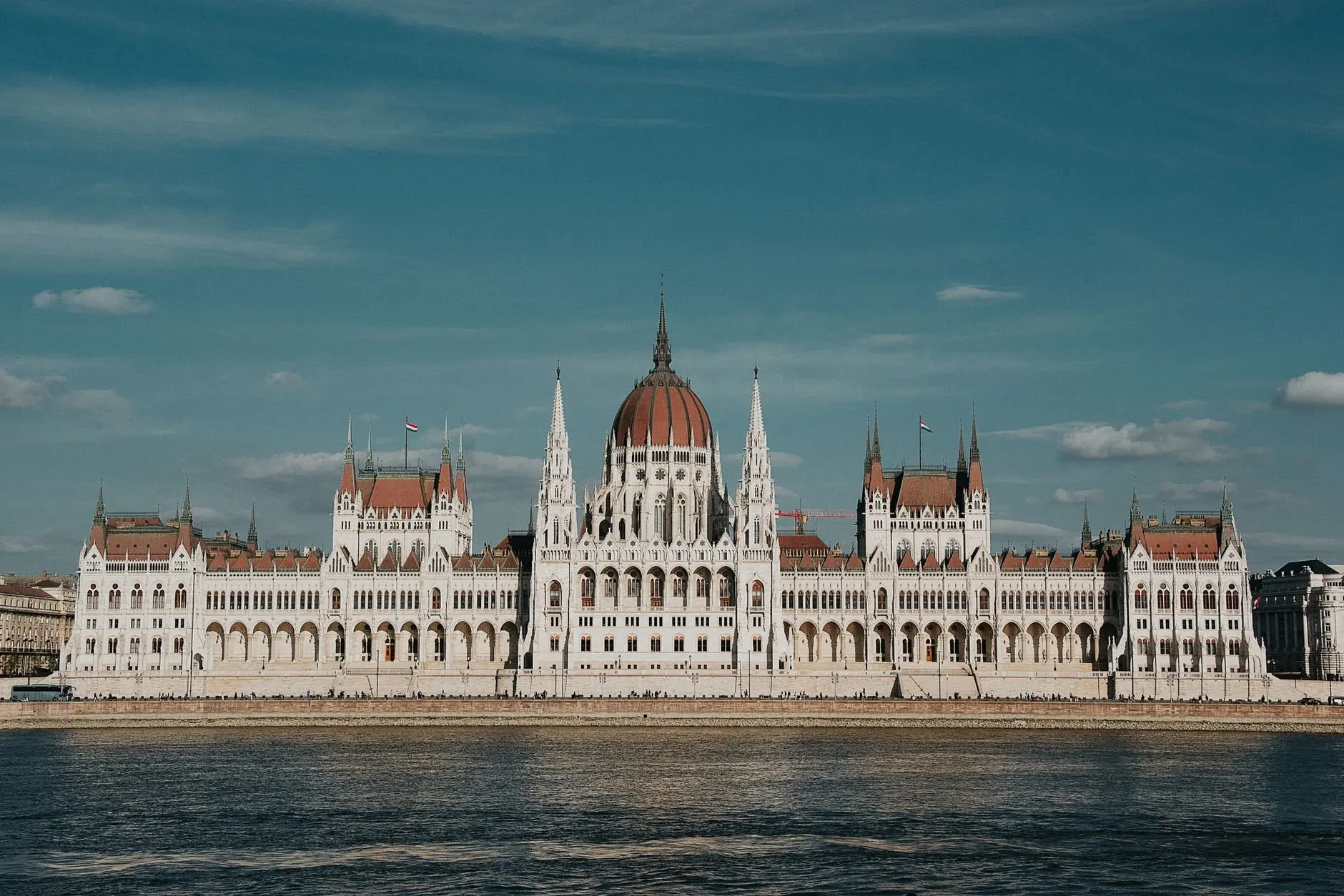
EU Citizens’ Rights, Brexit and Government Institutions
Read →: EU Citizens’ Rights, Brexit and Government InstitutionsEU citizens rights after Brexit depend first on timing: the Withdrawal Agreement residence framework covers people who arrived in the UK on or before 31 December 2020, and a successful status application is the practical condition, according to IAS Services. Start by checking your arrival date, then whether you hold settled or pre-settled status. For…
-
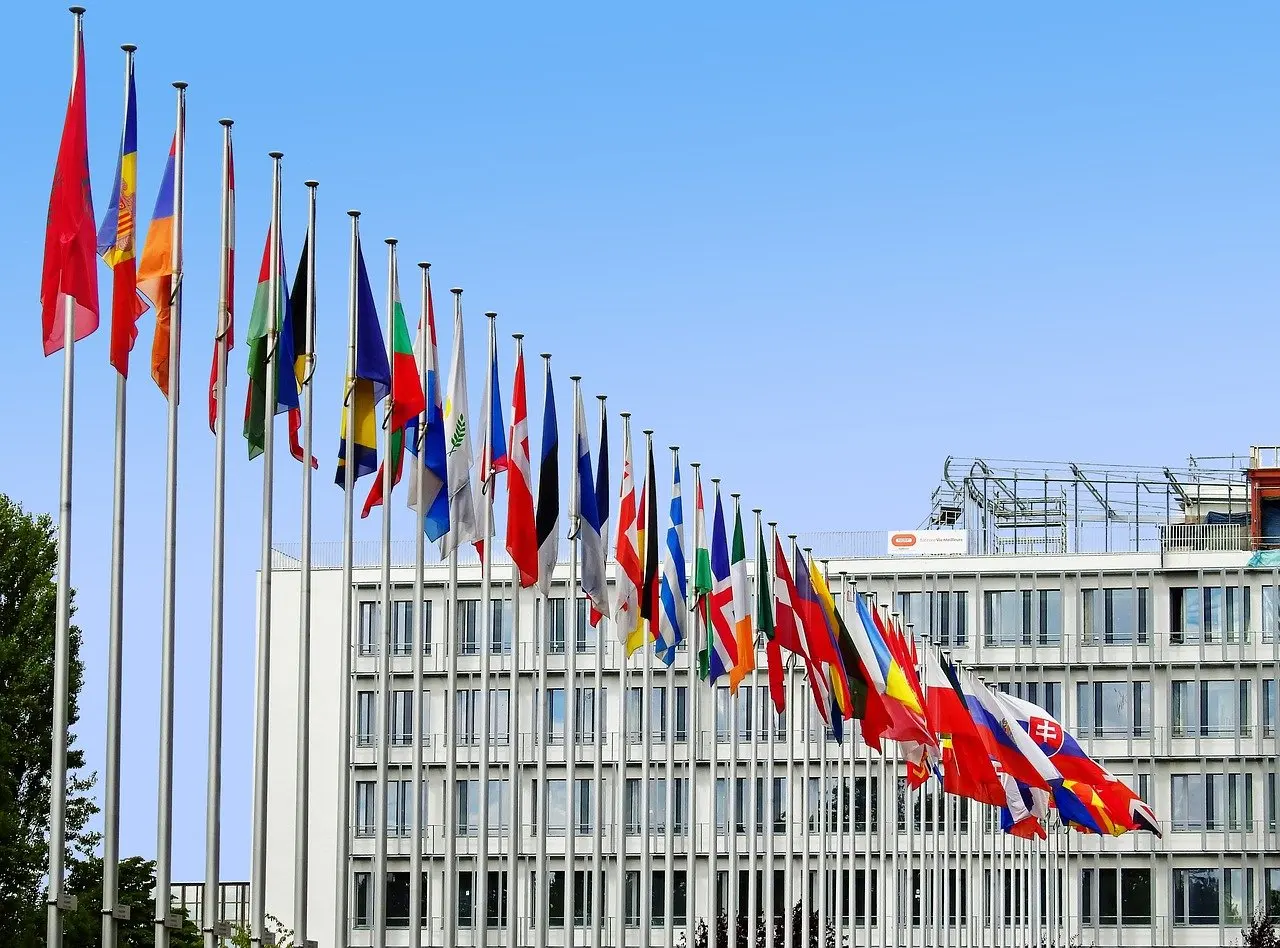
European Commission Versus European Council
Read →: European Commission Versus European CouncilCriterion European Commission European Council Planning use Membership A team of 27 Commissioners, one from each EU country Heads of state or government of the member states, plus the Council President and, as a non-voting member, the Commission President Commissioners are obliged to represent the EU as a whole. The Council’s members are national leaders.…