


The parliamentary vs presidential system distinction turns on who picks and can remove the executive. In a parliamentary system the legislature does both. In a presidential system voters elect the president separately, and removal is possible only for serious crimes.
The United Kingdom is the worked example here, because its prime minister, devolved structure and coalition-style bargaining show the parliamentary model in practice. Readers following how these institutions affect residents can start from the wider guide to eu citizens rights after brexit.
Parliamentary and presidential systems side by side
The table sets out the criteria that matter most when comparing executives: how the leader is chosen, how long they hold office and what ends their time in power.
| Criterion | Parliamentary system | Presidential system | Planning use |
|---|---|---|---|
| Executive selection | The prime minister is chosen by the legislature | The president is elected independently by voters in a separate, direct election | Ask whose confidence the leader needs first: legislators or voters |
| Relationship to legislature | The prime minister serves at the pleasure of the legislature | The president cannot be a sitting legislator, and legislators cannot serve in the executive branch | Shows how closely the two branches are tied together |
| Length of time in office | No fixed personal term; the UK prime minister stays in power while retaining Commons support | Fixed term, usually 4–6 years; four years in the US | Parliamentary tenure depends on votes. Presidential tenure depends on the calendar |
| Removal | If the legislature votes no confidence, the prime minister and cabinet resign | Removal only through impeachment and conviction for serious crimes | Political disagreement can end a parliamentary government. In a presidential system it generally cannot |
| Examples | United Kingdom, Italy, Israel | United States | Use the UK as the parliamentary reference case |
These definitions follow an AP Comparative Government comparison of parliamentary, presidential and semi-presidential systems.
How the executive is chosen
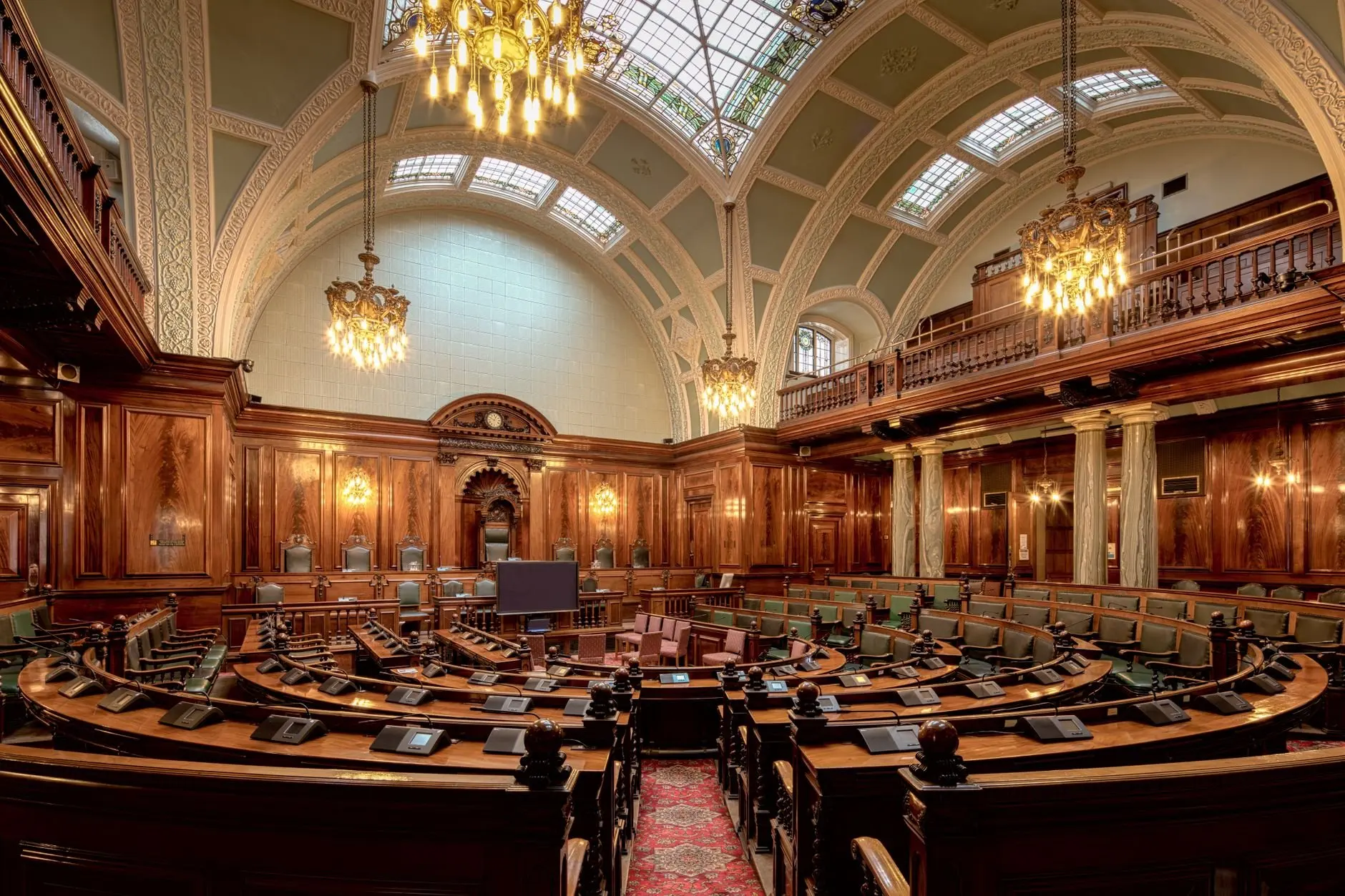
The main difference between a parliamentary and a presidential system is the route to power. A parliamentary head of government gets the job from the legislature. A president gets it from voters in a contest held separately from legislative business.

Parliamentary route
A prime minister is chosen by, and serves at the pleasure of, the legislature. Voters therefore influence the executive indirectly, through the legislators they elect. This suits countries that want a government able to pass its programme quickly, because the people running the executive already command a working legislative base.
Presidential route
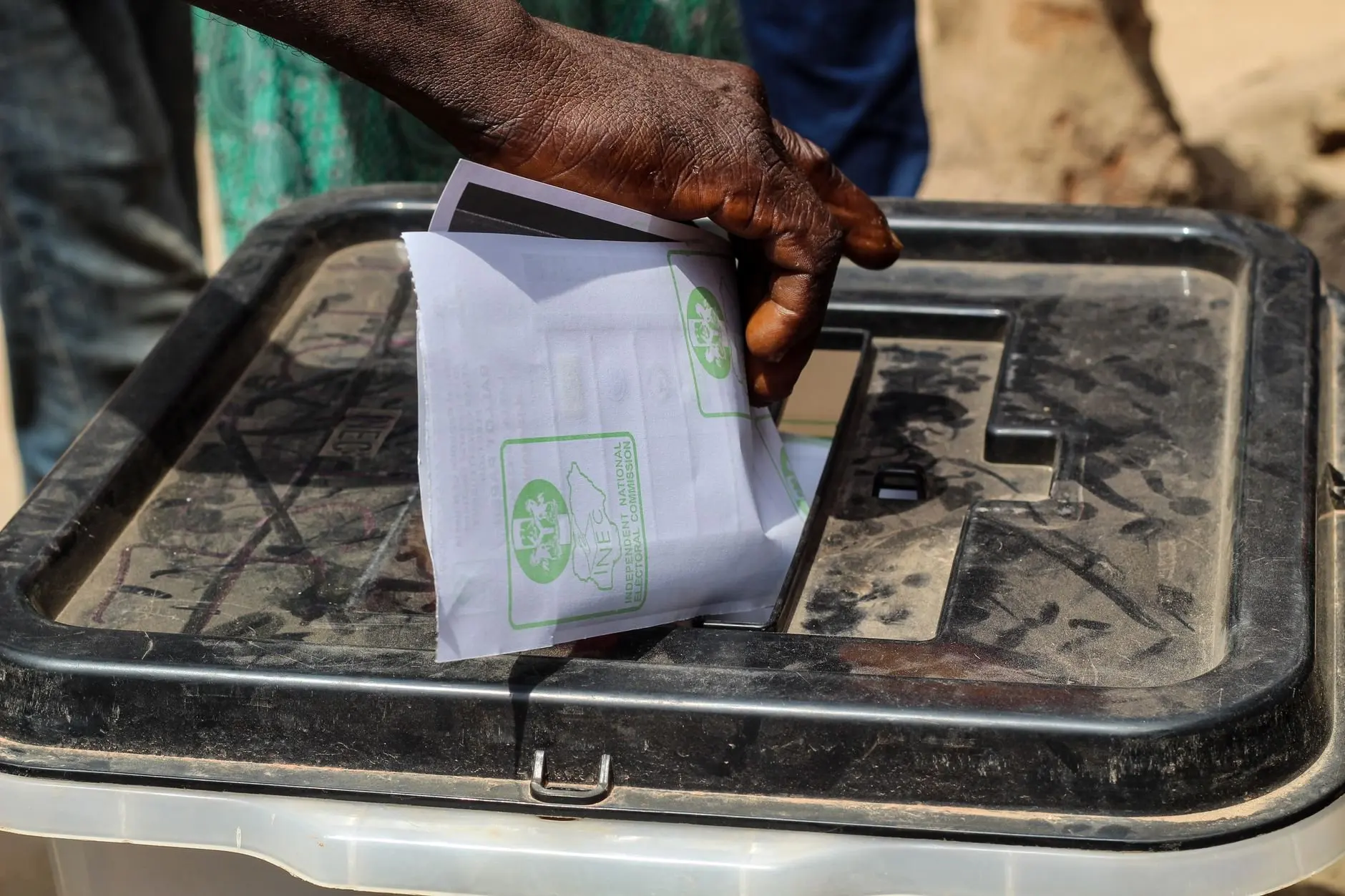
A president is elected by voters in a separate, direct election. That gives the executive its own democratic mandate, independent of whoever controls the legislature. The trade-off is that the president and legislature can be at odds, because neither depends on the other for survival.

Accountability and removal
Accountability works in opposite directions in the two systems. In a parliamentary system the executive answers continuously to the legislature, and the legislature can end the government. In a presidential system the executive answers mainly to voters at fixed intervals.
No-confidence votes
If the legislature votes no confidence, the prime minister and cabinet resign. This makes the executive sensitive to shifts in legislative opinion. It also means a government can fall between elections, without any wrongdoing, simply because it has lost the votes it needs.
Impeachment and conviction
A president cannot be removed by the legislature unless impeached and convicted for serious crimes. The threshold is deliberately high and tied to misconduct rather than unpopularity. A president who has lost political support still serves out the fixed term, which is usually 4–6 years, as the AP Comparative Government comparison explains.
The UK as a worked example
The UK government is structured as a parliamentary system. The prime minister leads the executive and stays in power as long as they retain Commons support. There is no separate national vote for the head of government, so the person in Downing Street is the leader who can hold a working majority in the House of Commons.
What losing a majority looks like
The 2017 experience of Theresa May shows how conditional that position is. After she lost her majority in 2017, she needed to negotiate a confidence-and-supply agreement just to survive. A prime minister in that position keeps the office but has to bargain for votes on which survival depends, a pressure a fixed-term president does not face in the same way.
Coalitions and short-lived governments
Where proportional systems are used, no single party usually wins an outright majority, so governments are formed through coalition. Italy and Israel have both experienced governments lasting only months. The lesson is not that parliamentary systems are unstable by nature, since the UK shows the opposite. Stability depends heavily on whether one party can assemble a reliable majority.
Separation of powers explained
Separation of powers is the principle that the lawmaking, executive and judicial functions should not sit in the same hands. Presidential systems apply it strictly to personnel: the president cannot be a sitting legislator, and legislators cannot serve in the executive branch.
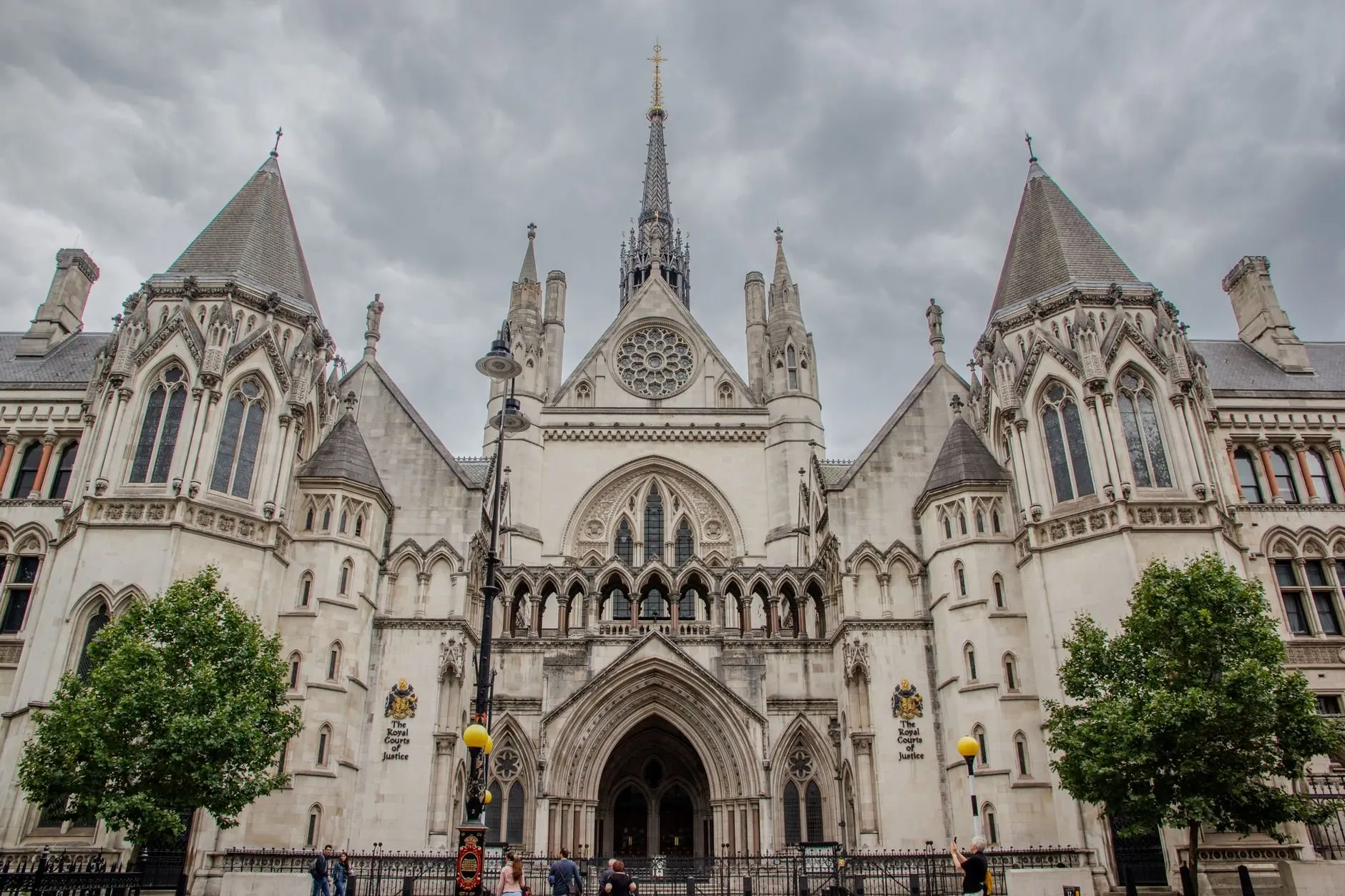
A parliamentary system blends the first two branches instead. Because the prime minister depends on Commons support, the executive and the governing majority in the legislature are closely linked. Neither arrangement is more democratic by definition. The parliamentary model trades a sharp division between branches for faster, more coordinated government, while the presidential model trades coordination for a clearer check between executive and legislature.
Devolution within the UK
Devolution in the UK is a separate question from the parliamentary-presidential choice. It concerns where powers sit within the state, not how a national executive is chosen or removed. Readers should keep the two ideas apart: the UK’s national government remains parliamentary whatever powers are exercised in devolved legislatures.

Devolution matters most to people whose daily lives are shaped by institutions beyond Westminster. Residents of Northern Ireland, for example, can see how Irish citizenship rights Northern Ireland Brexit questions overlap with constitutional arrangements. Those who need practical support in Scotland can look at EU citizens advice Scotland.
A fuller treatment of Northern Ireland is in Irish citizenship rights Northern Ireland Brexit.
Which system suits which priorities
Neither model wins outright; the right choice depends on what a country wants its executive to do. The comparison above supports a few clear judgements.
- Choose parliamentary where fast, coordinated government matters. The executive comes from the legislature, so a government with a majority can act without a separate contest for power. The cost is that a lost majority can end a government.
- Choose presidential where a fixed, independent mandate matters. A president serves a set term, usually 4–6 years, and cannot be removed for political unpopularity. The cost is potential deadlock between executive and legislature.
- Expect more bargaining under proportional voting. Where no single party usually wins an outright majority, coalition deals decide who governs, and governments may be short-lived, as in Italy and Israel.
- Judge the UK by its conditional majority. The prime minister’s position is secure only while Commons support lasts, as the 2017 confidence-and-supply agreement showed.
The test for any country is to ask who can remove the leader and for what reason. Where the answer is a legislative majority at any time, the system is parliamentary. Where the answer is impeachment and conviction for serious crimes, it is presidential.
Frequently asked questions
What is the main difference between a parliamentary and a presidential system?
In a parliamentary system the legislature chooses the prime minister, who can be removed by a no-confidence vote. In a presidential system voters elect the president separately, and removal needs impeachment and conviction.
How is the UK government structured?
The UK is parliamentary. The prime minister stays in power only while retaining Commons support, which is why Theresa May needed a confidence-and-supply agreement after losing her majority in 2017.
Which countries use each system and how does leadership change?
The United Kingdom, Italy and Israel are parliamentary examples, where leadership changes when the legislature withdraws confidence or coalitions shift. The United States is the presidential example, with a directly elected president serving four years.
Can a president also be a member of the legislature?
No. In a presidential system the president cannot be a sitting legislator, and legislators cannot serve in the executive branch.