

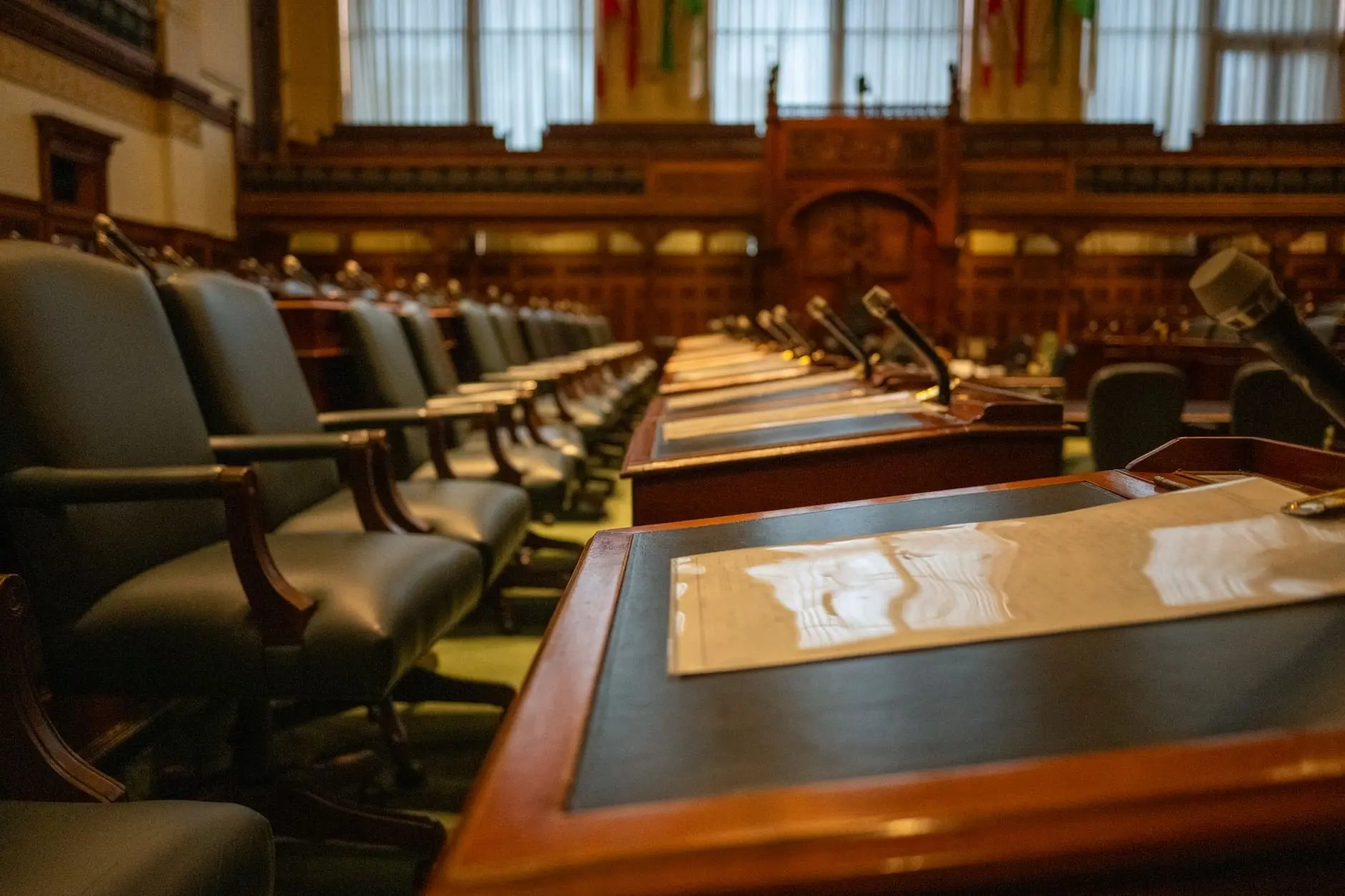
| Hearing feature | What it means for a speaker | Planning use |
|---|---|---|
| Sign-up | Speakers arrive early and sign up to speak and give testimony. | Plan to be in the room before the session starts, not as it begins. |
| Time limit | Position statements are often limited to three minutes. | Write a statement that fits the limit and rehearse it aloud. |
| Podium opening | Speakers introduce themselves and establish their expertise or connection to the issue. | Open with who you are and why the issue affects you. |
| Committee audience | A hearing is sometimes the first time other legislators on the committee hear the issue. | Explain the issue plainly and assume no background knowledge. |
| Attendance | A hearing without advocates for a cause may mean favor for the opposition. | Arrange for supporters to attend and speak. |
The table summarises guidance on testifying at a legislative or regulatory hearing, which describes common practice rather than a rule that binds every body.
What is a public hearing? It is a formal session in which a legislative committee or regulatory body hears testimony from constituents on an issue, usually under sign-up arrangements and speaking limits.
Hearings are one format among many public policy events, and they differ from most of them in how structured they are.
Why a hearing matters to an issue
A public hearing gives constituents a formal route to put a view directly to decision-makers. According to the Alabama guidance, each legislative session creates an opportunity for constituents to testify at public hearings. The practical consequence is that the hearing is not a passive event. What speakers say, and who turns up to say it, shapes what the committee hears.
The audience for that testimony is often less informed than speakers expect. The same guidance notes that a hearing is sometimes the first time other legislators on the committee hear the issues. A speaker who assumes the panel already understands the background risks losing them in the opening minute. A speaker who explains the issue in plain terms can reach members who arrive without a view.
Absence also carries a cost. The guidance warns that a hearing without advocates for a cause may mean favor for the opposition. If an issue matters to you or your organisation, the hearing is a reason to be present, since a thin turnout on one side can leave the other side’s account unchallenged.
- Speak in person when you can establish expertise or a direct connection to the issue. The podium introduction exists to make that case.
- Take a clear side. The guidance advises stating support or opposition to the issue clearly, so a committee member can summarise your position after you sit down.
- Plan for an uninformed panel. Build the statement so that it works for a member hearing the subject for the first time.
Hearing, consultation or public meeting
A hearing is built around testimony from the public to a body that will decide or recommend. A consultation usually asks for views on a proposal, and a public meeting is typically a wider gathering. A moderated panel is a different format again, with a moderator steering discussion between speakers, as explained in how to moderate a panel discussion. What marks a hearing out is its procedure: speakers sign up, take turns at a podium, speak within a limit and may be questioned by committee members.

That formality shapes what a hearing can do for you. The Alabama guidance says public hearings are not the best place to initially state your position. The implication is that a hearing works best as the point where an already developed position is put formally before the committee. If the committee has never heard from you, raise the issue before the hearing so your testimony is not the opening move.

Treat what you say in this setting as a formal statement made to a decision-making body. That means a prepared, structured contribution rather than an informal exchange. The wider picture of how these formats fit together is covered in how do public policy events work.
Who holds hearings and how they are announced
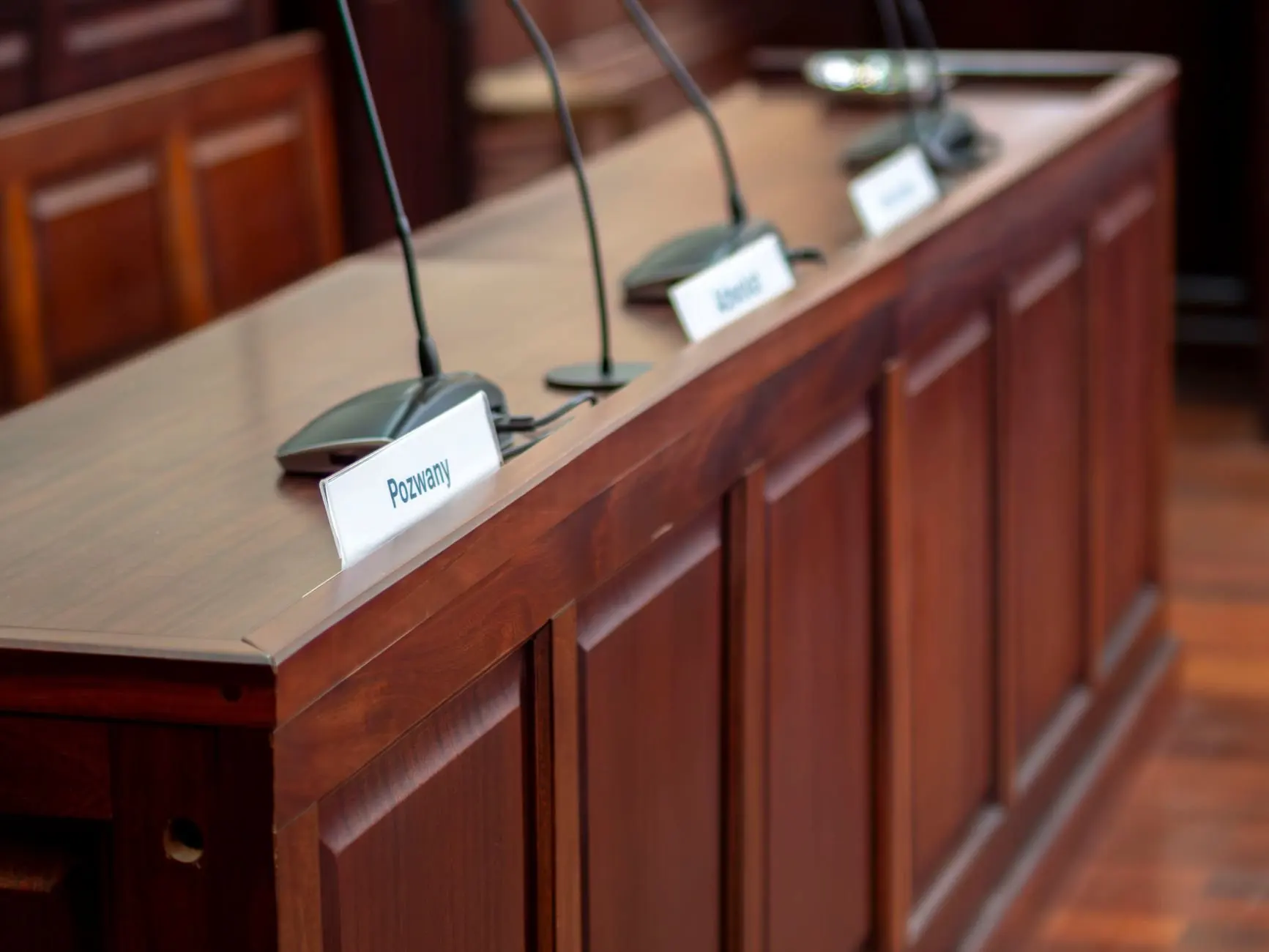
Hearings are held by legislative committees and by regulatory bodies. The Alabama guidance covers both, under the heading of testifying at a legislative or regulatory hearing. A legislative committee hears constituents during the session, while a regulatory body takes testimony on matters within its remit.
Notice arrangements and speaking rules differ by body, so the convening committee or agency is the reliable place to confirm the date, venue and sign-up method. A hearing can be announced through posted notices, and the body’s own channels are the ones to check. Do not assume the rules from one hearing apply to another. Read the notice for the specific hearing and note any instructions about how speakers register.

Signing up to speak
Signing up is the step that turns an observer into a speaker. The guidance gives a simple instruction: arrive early and sign up to speak and give testimony. The reason is practical. Registration is how the body knows who intends to testify, so late arrival can mean missing the chance to speak.
Arriving early has a second benefit. It leaves time to find the room, confirm the order of business and meet other people who are there on the same issue. Meeting other advocates before testifying lets speakers avoid repeating each other and divide the points between them.
Speaking time and conduct at the podium
Time is the tightest constraint on a speaker. The guidance says that oftentimes you must limit your position statement to three minutes. A ceiling like that is not a target to fill. A statement built to land comfortably inside the limit leaves room for a slower start or a nervous pause, and the committee is more likely to remember a short point made well.
The order of a statement follows from the podium routine:
- Introduce yourself. Say who you are and establish your expertise or your connection to the issue.
- State your position. Say plainly whether you support or oppose the issue.
- Make the case. Use the remaining time for the reasons, ordered so the strongest come before the limit runs out.
Delivery counts as much as content. The guidance advises being familiar enough with your material to make eye contact with the committee members. Reading a script word for word makes that difficult, so speakers who know their points well hold the room better than those tied to the page.
Because conduct and speaking rules vary by body, follow any instructions the chair gives on the day. Those instructions override general advice, including the three-minute figure, which the source describes as common rather than universal.
Frequently asked questions
Should speakers coordinate with each other?
Yes, where others are there on the same issue. The guidance advises meeting with other advocates who are speaking on the issue before testifying, so the group can cover different points.
How should a statement deal with the opposing side?
If possible, build a rebuttal to the opposition into the statement. That way the committee hears a direct answer to the other side’s argument rather than only your own case.
Does testimony end when the statement ends?
Not necessarily. The guidance tells speakers to be prepared to answer follow-up questions, so know the subject beyond what the prepared statement covers.