

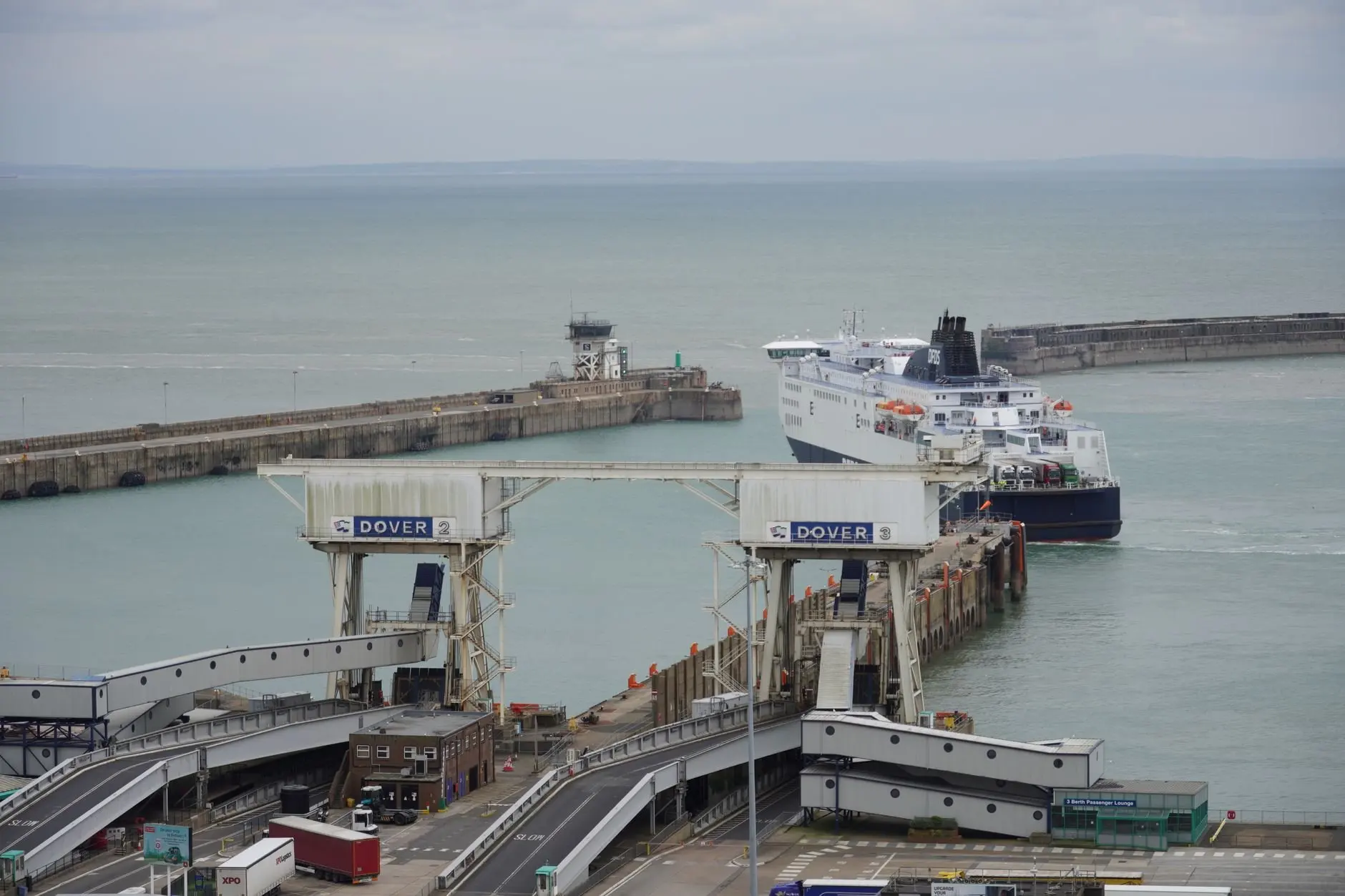
For a UK exporter, goods no longer cross the Channel unchecked. How has Brexit affected UK trade with the EU? Goods move under the EU-UK Trade and Cooperation Agreement, but each movement needs customs paperwork and new checks can cause delays.
The change is mostly administrative friction, not a single headline figure. The wider economic impact of brexit is covered separately. This guide stays with how goods trade works in practice: what changed on the border, why origin rules matter and where the paperwork sits.
From single market membership to customs paperwork
The withdrawal agreement kept the UK within the EU single market until the end of December 2020. After that, trade in goods moved to the new arrangement, the EU-UK Trade and Cooperation Agreement. The practical difference is that goods now cross a border where customs procedures apply, even where the trade is covered by the deal.
Several assumptions about the new arrangement are common, and the table below sets each against what the evidence supports.
| Common assumption | What is supported | Planning use |
|---|---|---|
| Single market access simply carried on | Membership of the single market ended with the transition at the end of December 2020 | Plan around the trade agreement’s terms, not membership rules |
| A trade deal removes the paperwork | Customs documentation is required on every EU movement | Build customs documents into every booking, not just large consignments |
| Checks only matter for food | New checks on imported and exported goods include rules-of-origin checks and food inspections | Treat origin evidence as a routine part of manufactured and food consignments alike |
| Extra paperwork is a one-off form | Shipments carry three more documents each, including export, import and commercial invoice paperwork | Allow for document preparation time in lead times |
These points draw on a logistics provider’s summary of how Brexit changed UK-EU shipping.
Non-tariff barriers and what they do to traders
Non-tariff barriers are the costs and delays of trade that do not come from a tax on the goods themselves. Documents, inspections and carrier surcharges are the main examples after Brexit. They matter because they land on every consignment, whatever the tariff position.
- Paperwork on every movement. An export document, an import document and a commercial invoice are among the papers now needed. The same source counts three more documents per shipment than before, so a trader moving many small consignments feels the burden more than one moving a few large ones.
- Checks and supply chain delay. The new checks on imported and exported goods mean delays in the supply chain are expected. For time-sensitive goods, that is a reason to build buffers into schedules instead of assuming crossing times will match those before 2021.
- Carrier charges. International shipping companies have introduced additional charges on shipments between the UK and the EU. Quotes that predate the change are unlikely to reflect the full cost of a UK-EU run.
- Industry judgement. The same logistics source reports an industry view that this is the biggest imposition of red tape businesses have faced in 50 years. That is an opinion from the sector, not a measured figure, and it is most useful as an indication of how traders themselves rate the change.
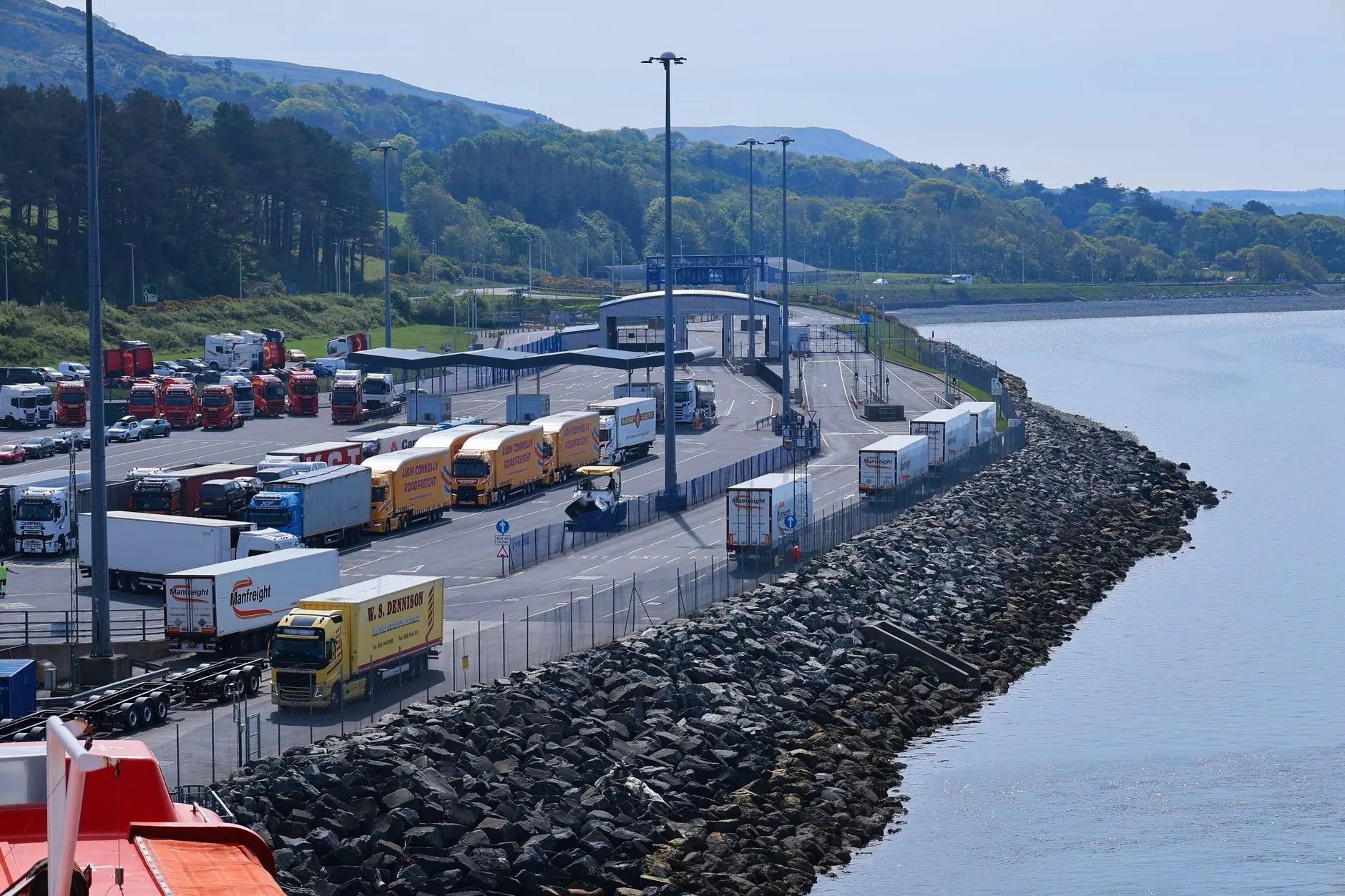
For smaller traders, the practical choice is whether to handle declarations in-house or pass them to a specialist. The evidence points to the volume and variety of documents as the pressure, which favours outside help for firms without regular EU shipments. That leads to the origin question, the part of the process that most often decides how goods are treated.
Rules of origin and the checks they trigger
Rules of origin decide whether goods count as UK-made or EU-made for the purposes of the trade agreement. That status determines whether the goods can claim the deal’s preferential tariff treatment, so a consignment’s tariff outcome depends on its origin, not just its destination. This is why rules-of-origin checks are named among the new border checks.
In practice, three consequences follow for traders.
- Know where the goods come from. A product assembled in the UK from imported parts is not automatically UK in origin for the agreement’s purposes, so the supply chain behind a product matters as much as the final factory.
- Keep the evidence. Origin checks are one of the checks applied to imported and exported goods, so records that support an origin claim need to be available when a consignment is examined.
- Match the documents. The commercial invoice and the export and import documents form the paper trail a check looks at, so inconsistencies between them are an avoidable cause of delay.

Origin is a detailed technical area, and the exact tests differ by product, so exporters of manufactured goods should check the product-specific rules in the text of the agreement before quoting a tariff-free price to an EU buyer.
Northern Ireland and the Great Britain route
Northern Ireland is the main exception to the general pattern. It remains in the EU single market for goods, so its goods trade is not handled in the same way as trade between Great Britain and the EU.
Movements from Great Britain to Northern Ireland still carry paperwork. All shipments on that route need a safety and security declaration, alongside customs declarations. A trader serving customers in both Great Britain and Northern Ireland should therefore treat the two as different routes with different documents, instead of applying one template to both.
Goods trade in practice: costs, supply chains and sellers
The burden shows up less in a single statistic than in how businesses reorganised. Retailers have had to create separate supply chains for the UK, which costs them more money. That is a structural cost: serving the UK as a distinct market takes duplicated stock handling and routing, not just an extra form.
Dependence on EU supply raises the stakes. A substantial share of the food consumed in the UK is imported from the EU, so border friction on those flows matters well beyond the firms directly involved. How far that has reached shop prices is examined in the piece on has brexit increased food prices uk.
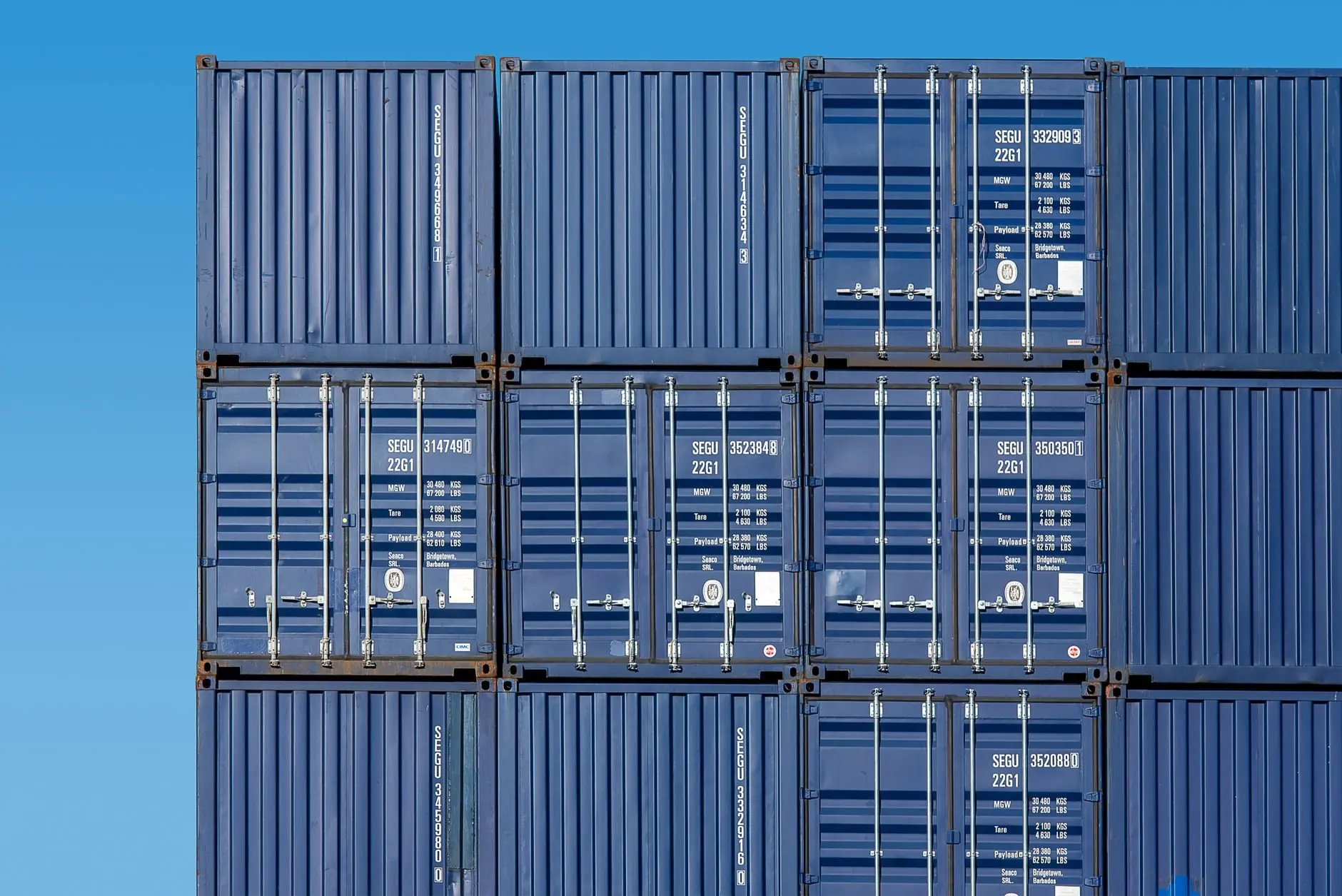
For exporters, the question of how UK goods exports to the EU have changed since the deal took effect is best answered with official statistics. Volumes and values vary by product and period, and the cost pressures above explain why some firms, particularly small ones, found EU sales harder to sustain. Where a firm is deciding whether to keep selling to the EU, the supported factors to weigh are the documents per consignment, carrier charges and the origin evidence it can supply.
Reading trade friction alongside the wider economy
Border friction is one channel through which Brexit reaches businesses, and it is separate from questions about growth, investment and output. Readers who want that broader view can start with how has brexit affected the uk economy. The practical lesson here is narrower: the cost of trading with the EU now depends heavily on procedure, so a firm’s preparation counts for as much as the tariff position.
Frequently asked questions
| Question | Answer |
|---|---|
| Which goods have to pass through a border control post? | Products of animal origin must pass through a border control post, where paperwork is checked and a proportion of goods is physically inspected. |
| Why did some EU online shops stop selling to the UK? | Tax changes that came into force on 1 January 2021 prompted some EU retailers to stop UK sales. One retailer said it would ship to every country in the world except the UK. |
| Where can UK export figures to the EU be checked? | ONS UK trade bulletins and HMRC overseas trade statistics are the usual public sources for export volumes and values. |