

| Effect on the workforce | Evidence | Planning use |
|---|---|---|
| EU/EEA-qualified doctors form a large part of medical staffing | 10% of NHS doctors qualified in the EU or EEA | Treat this group as a retention priority, because losing it would hit medical rotas directly. |
| Fewer EU entrants straight after the referendum | 825 fewer EU physicians and 2,771 fewer EU nurses entered the UK immediately after Brexit | Expect the larger absolute shortfall in nursing, not medicine. |
| Non-EU recruitment replaced part of the loss | An estimated 3,110 physicians and 1,437 nurses per year from non-EU countries | Use international recruitment as a major source of staff, but not as a like-for-like substitute. |
| Vacancies persisted | NHS physician vacancies rose by an estimated 383 posts; England had 43,000 unfilled nursing vacancies in 2019 | Plan on gaps remaining even where recruitment is strong. |
Figures come from a peer-reviewed study of EU-identifying doctors in the UK and a Harvard Pilgrim Health Care Institute summary of a health-workforce migration study.
How has Brexit affected the NHS workforce? Fewer EU nurses and doctors arrived after the 2016 referendum, non-EU recruitment filled part of the gap, and the study evidence says it did not fully close it.
Staffing is one of the clearest channels in the wider economic impact of Brexit, because health services depend on registered professionals who cannot be replaced quickly.
Nursing: fewer EU entrants and a lasting vacancy problem
Nursing shows the sharpest drop in new EU arrivals. That second point matters: the loss of EU entrants was not simply offset by arrivals from elsewhere.

The pressure landed on a service already short of nurses. The peer-reviewed study cites 43,000 unfilled nursing vacancies in England in 2019. A fall in entrants therefore compounded an existing gap rather than creating a new one.
The professional bodies saw this risk early. The study records that the British Medical Association and the Nursing and Midwifery Council opposed Brexit as harmful to the NHS. For nursing, the NMC register, which records where each nurse trained, is the dataset that shows how the EU-trained share has moved over time.
Doctors: a 10% share and shortages that predate the vote
Doctors who qualified in the EU or EEA make up 10% of doctors in the NHS, according to the peer-reviewed study. That is a sizeable minority, large enough that sustained departures or reduced arrivals would be felt in rotas, not only in statistics.

Medical staffing was already stretched in the referendum year. The same study reports shortages of doctors in 75% of all specialties in 2016, plus 11,000 advertised medical vacancies. Brexit therefore reduced the supply of EU-qualified doctors into a system that was already recruiting heavily, and it cannot be blamed for the whole shortage.
The loss is smaller in headcount than for nurses, but it falls on a profession with long training times, which makes replacement slower.
Recruitment from outside the EU
Non-EU recruitment became the main replacement route. The Harvard Pilgrim summary estimates that it added 3,110 physicians and 1,437 nurses per year in the following years. The same summary says NHS physician vacancies still rose by an estimated 383 posts, and that the recruitment was not enough to fully address workforce gaps.
Do not net these figures against the immediate drop in EU entrants. One describes a short period after the vote and the other an annual average in later years, so subtracting one from the other would give a misleading balance. The safer reading is directional: replacement came, it was partial, and for nurses overall immigration still fell.
The Health and Care Worker visa
The Health and Care Worker visa is the immigration route aimed at recruiting health and care staff from abroad, and it is the channel through which non-EU recruitment of this kind is organised. EU citizens already in the UK sit under a different arrangement. The study authors recommend that the NHS provide financial and legal assistance to staff applying for settled status, and financial incentives to keep them.
Social care staff
Social care is closely tied to NHS capacity, because discharge, community care and hospital flow depend on care staff. The registration and nationality figures here describe doctors and nurses, so they should not be applied to care assistants or home-care workers.
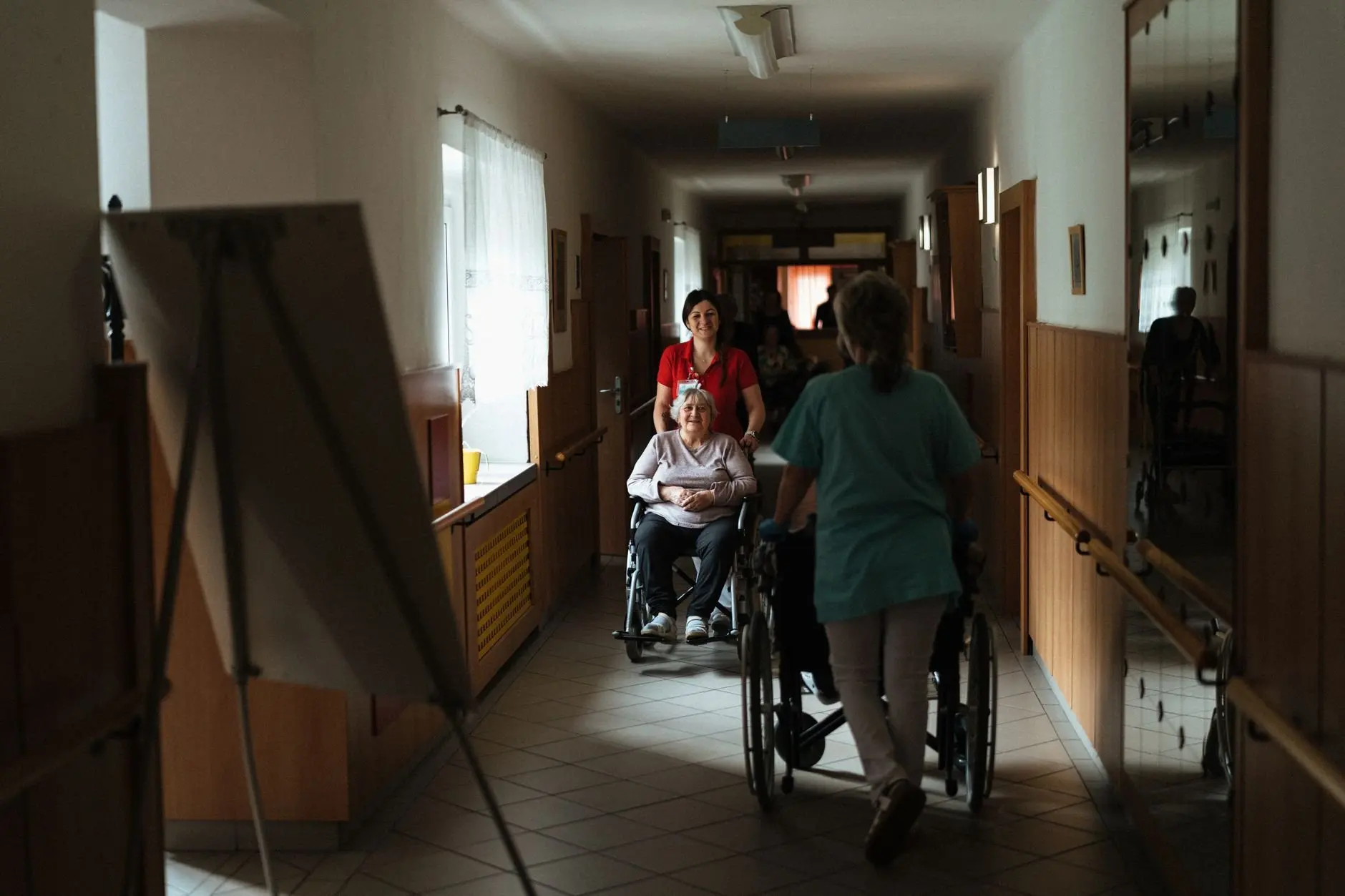
For care work, the useful comparison is how shortages vary by sector. The guide to Brexit labour shortages by industry sets care alongside other sectors, which is a better basis for judging it than extrapolating from hospital data. Regional economies also differ, as the guide to how has Brexit affected Scotland’s economy shows for one nation.
Why EU-qualified staff left or stayed away
The mechanism combines status, uncertainty and professional morale. The peer-reviewed study surveyed 59 self-reported EU, EEA or European-identifying doctors working in the UK. It found that the more doctors agreed that Brexit had affected their professional lives, the more likely they were to say they intended to leave the UK.
That is an association in a small self-reported sample, so it shows a risk factor rather than a measured exodus. The study places these doctors within a wider population of 3.7 million Europeans in the UK, which is why it argues for practical retention help rather than relying on goodwill.
Health study authors also looked at flows rather than intentions. The wide comparison group helps separate a Brexit effect from general migration trends.
Choosing the right data
Different questions need different datasets, and mixing them produces false precision.
- Headcount by nationality: use NHS Digital workforce statistics, remembering that nationality and place of qualification are different measures. The 10% figure above refers to qualification.
- Nursing supply by country of training: use Nursing and Midwifery Council registration data, which is the natural source for tracking EU-trained nurses.
- Doctors by place of qualification: use General Medical Council workforce reports, then compare with the NHS England vacancy picture.
- Non-EU recruitment volumes: use Home Office visa grants, and treat the study estimates above as modelled averages rather than official counts.
Frequently asked questions
How many NHS doctors qualified in the EU or EEA?
About 10% of doctors in the NHS qualified in the EU or EEA, according to the peer-reviewed study cited above. A separate headcount of staff holding an EU nationality is a different measure.
Did EU nurse numbers fall after the referendum?
Entry fell. An estimated 2,771 fewer EU nurses entered the UK immediately after Brexit, and overall nurse immigration declined.
Has recruitment from outside the EU made up the difference?
Only in part. Non-EU recruitment added an estimated 3,110 physicians and 1,437 nurses per year, but it was not enough to fully address workforce gaps.
What does the Health and Care Worker visa allow?
It is the route for recruiting health and care staff from abroad. Eligibility, fees and dependants are set in Home Office guidance, so check the current rules before relying on a summary.