

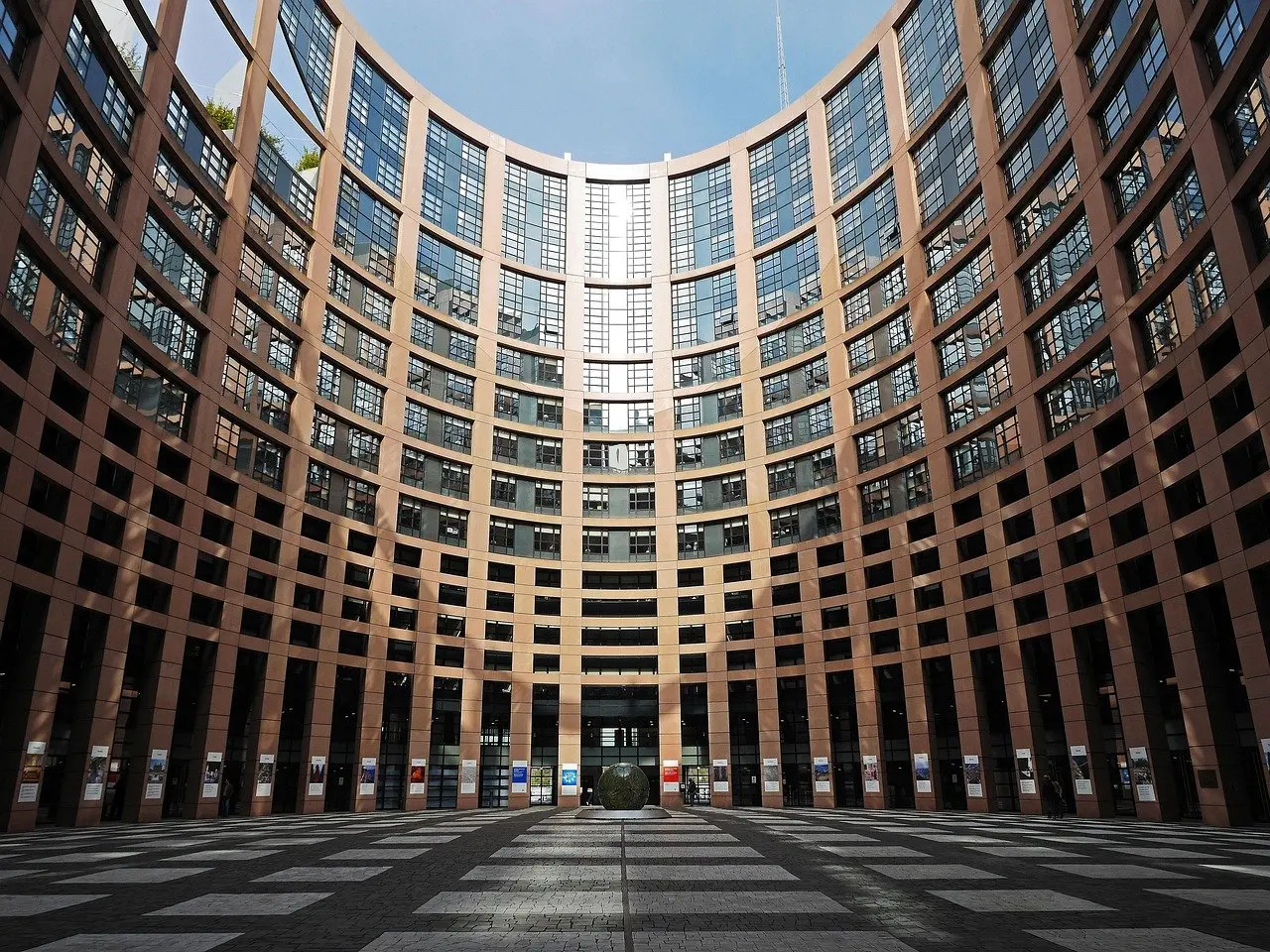
How do European Parliament elections work? EU citizens elect their Members of the European Parliament every five years by proportional representation, but each country runs its own vote under national law, so voting age, registration and ballot format depend on where you vote.
The vote is one of the political rights covered in the guide to eu citizens rights after brexit. For the Parliament’s place among the other bodies, see what are the EU institutions.
The five-year election cycle
European elections follow a fixed cycle. Since 1979, MEPs have been elected by direct universal suffrage for a five-year period, and the cycle repeats whatever happens in national politics.
The most recent elections took place in 2024. Following them, the European Parliament has 720 seats. Ireland, to take one national example, voted on Friday, 7 June 2024, and its electoral commission states that the next European elections will be held in 2029.
For a voter, the practical consequence is simple. The window to register and vote comes round only once every five years, and because national law largely governs the process, the precise arrangements are best confirmed with the electoral authority of the country where you live or are registered.
How seats are shared between member states
Seats are allocated on the basis of each member state’s population, but not in a straight proportion. The Parliament describes the principle as degressive proportionality, which ensures more seats per capita go to less populous member states. A vote in a small country therefore elects a larger share of a delegation per head of population than a vote in a large one.
The Treaty also fixes the outer limits, so no allocation can drift beyond them. The table sets out the main figures.
| Seat rule | Value | Planning use |
|---|---|---|
| Minimum per member state | 6 MEPs, as in Malta, Luxembourg and Cyprus | Even the smallest states keep a meaningful delegation. |
| Maximum per member state | 96 MEPs, in Germany | Shows the ceiling for the most populous country. |
| Total ceiling | The total number cannot exceed 750 | A legal limit, not a target for the Parliament’s size. |
| Seats after the 2024 elections | 720 | The current size of the chamber. |
| Ireland in 2024 | 14 MEPs, one more than in 2019, split across three constituencies: Dublin 4, South 5, Midlands–North West 5 | Illustrates how a national total is divided into regional contests. |
The seat range comes from the European Parliament’s own explainer, and the Treaty ceiling and the Irish breakdown are set out by the Electoral Commission of Ireland.
The ceiling and the actual size are separate figures. The Parliament currently sits below the 750 limit, so the Treaty leaves room for the allocation to change between elections, as Ireland’s extra seat in 2024 shows.
National voting systems inside a common framework
The common rule is that MEPs are elected on the basis of proportional representation. Beyond that, each country decides on the form its election will take. Proportional representation is therefore the principle, while the ballot a voter actually sees is a national choice.
Ranked candidate voting and party lists are two forms this can take. In a party list system, seats are shared out according to the votes each party list wins. Ireland uses the first approach, proportional representation with a single transferable vote, known as PR-STV. Voters rank candidates rather than choosing a single list, so a vote can pass to a lower preference if a first choice is elected or eliminated.
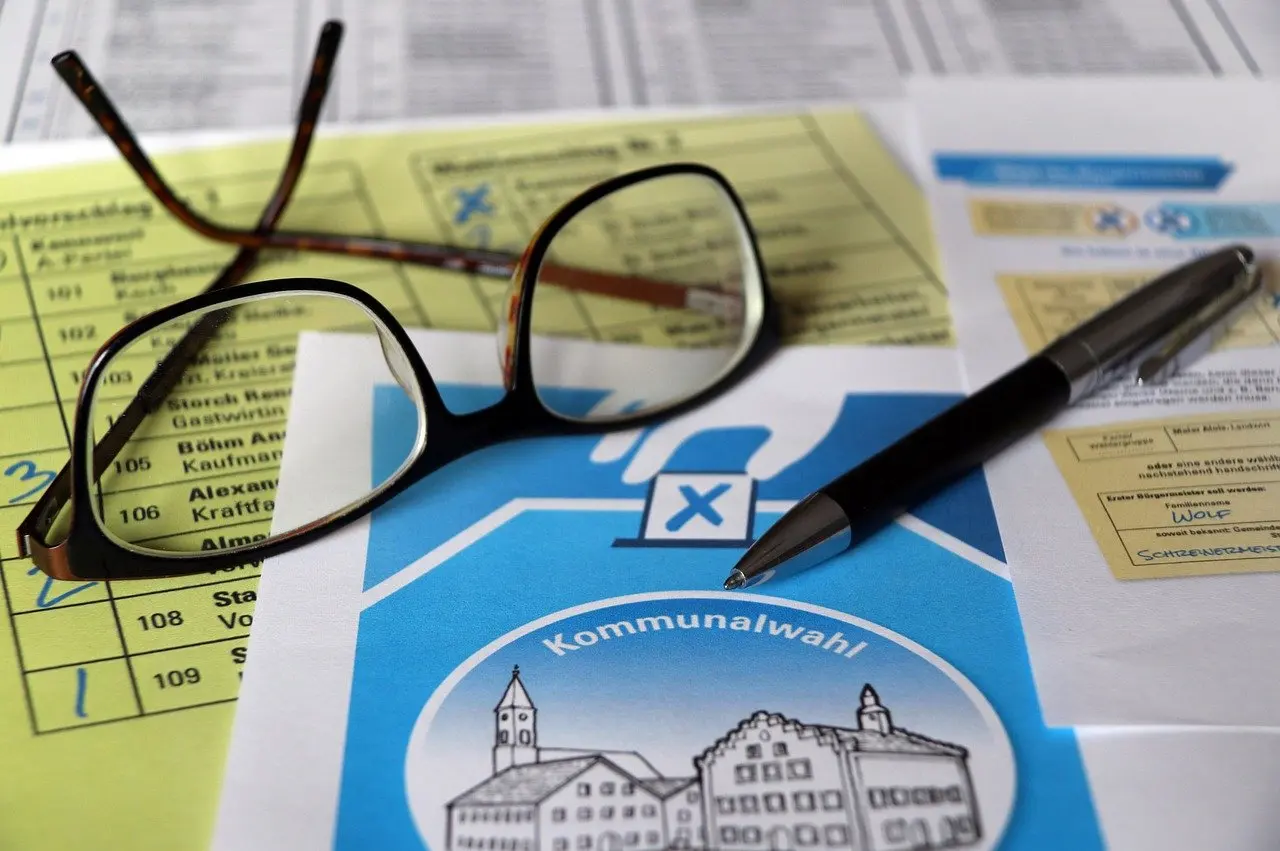
The Irish example also shows why geography matters. A voter’s ballot counts in a regional constituency, so the candidates on the paper depend on the part of the country where the voter is registered. Anyone moving between countries should expect a different ballot, not a translated copy of the old one.
Who can vote and from what age
Eligibility is set mainly by national law, with some common EU rules. The Parliament notes that the voting age is 16 in Austria, Belgium, Germany and Malta, 17 in Greece, and 18 in the remaining member states.
Residence rules work the same way. In Ireland, a voter must be 18 years or older, registered to vote, and an Irish or EU citizen who is ordinarily resident in Ireland. That last condition is what lets EU citizens from other member states vote where they live rather than only in their country of citizenship.
Standing as a candidate follows the same pattern of common EU rules alongside national law. The Treaty on European Union defines the common rules concerning European elections, and a would-be candidate should check the specific conditions with the national electoral authority.
Voting as an EU citizen living in another member state
A resident EU citizen votes in the country where they live, provided they complete the registration step. The sequence below uses Ireland’s published procedure as a worked reference; other countries apply their own forms and deadlines.
- Confirm residence and age. The voter must meet the minimum age and be ordinarily resident in the country of voting, as described above.
- Apply for registration. A citizen of another EU country must apply for registration and complete a statutory declaration form, EP1.
- Let the declaration travel. The statutory declarations are sent to the voter’s home member state, which is how the system avoids duplicate voting.
- Find the constituency. Each elector votes in the constituency in which they are registered, so the register entry decides which candidates appear on the ballot.
- Vote on polling day. The ballot is marked according to the national system, as explained in the next section.
Anyone in Scotland weighing these steps can find local pointers through EU citizens advice Scotland. The judgement call is timing: registration is a prerequisite, so it is better to deal with the form well before polling day than to discover on the day that the register entry is missing.
Marking the ballot and casting the vote
In Ireland’s PR-STV ballot, voters mark a 1 in the box beside their first choice candidate and may then continue with 2, 3 and so on in order of preference. The extra preferences do no harm to a first choice, because they come into play only if that candidate no longer needs or can use the vote.
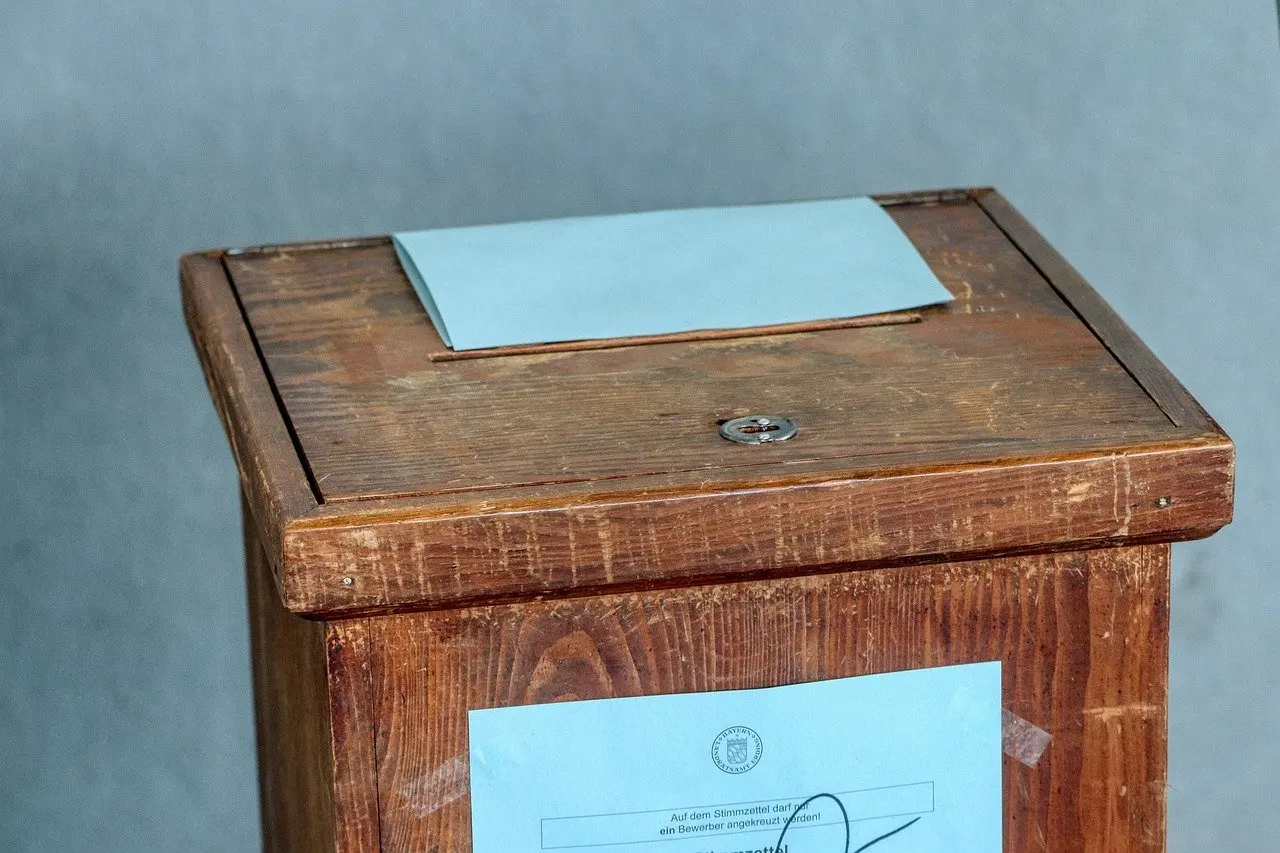
Voters in countries that use a different form follow their own national instructions on the ballot. The same principle holds everywhere: the ballot is cast in the voter’s registered constituency, and proportional counting then turns the votes into seats for parties or candidates.
What happens after the vote
Elected MEPs take their seats in a Parliament that works across two main sites. The Parliament holds 12 plenary sittings a year in Strasbourg, and the Brussels site hosts much of its other work. For the voter, the point is that a national election result becomes a seat in a shared chamber that legislates for the whole Union.
The scale of that task explains why the seat rules matter. The Parliament represents the interests of the 448 million citizens of the European Union, which is why the Treaty balances small and large member states through minimum and maximum seat counts.
Frequently asked questions
Can an EU citizen vote in two countries in the same European election?
No. Voters cannot vote in more than one constituency or country.
Do MEPs sit in national blocs once elected?
No. MEPs are grouped by political affinity, not nationality.
How many citizens does the European Parliament represent?
The Parliament represents the interests of the 448 million citizens of the European Union, according to the Electoral Commission of Ireland.